The cost of dog training can feel like a mystery until you dive into the details. If you’ve ever called around for quotes, you’ve probably been surprised by the range of prices. Some trainers charge as little as the price of a nice dinner, while others ask for sums that rival a short holiday. Why does one puppy class cost $80 and another $300? Is one-to-one training always worth the premium? Let’s unravel what actually goes into dog training cost and how you One To One Dog Trainer can make sense of the numbers.
What Shapes the Price Tag?
Dog training isn’t a one-size-fits-all service. The cost reflects a mix of factors, from the trainer’s expertise to your dog’s needs and even where you live. Years spent working with dogs and their families have shown me that the numbers aren’t arbitrary - they’re grounded in real differences.
The most obvious variables are:
- Type of training: Group classes, one-to-one sessions, board-and-train programs, or specialty problem-solving each come with their own price structure. Trainer experience and credentials: Someone with decades of hands-on experience, advanced certifications, and specialty skills often charges more than a newly qualified trainer. Location: Urban trainers in high-rent districts may charge double what rural trainers ask, simply due to overhead costs. Dog’s age and behavior: A straightforward puppy manners class is usually less expensive than working through severe aggression or anxiety issues.
You’ll notice that “dog training cost” means something different depending on exactly what you’re seeking. Let’s look closer at each element.
One To One Dog Trainer: Is Personal Attention Worth It?
Private training offers tailored attention, but it comes at a premium. Many people wonder if the extra expense is justified.
A one to one dog trainer spends the entire session focused only on you and your dog. This means faster progress on specific problems, flexible scheduling, and the chance to work through unique household dynamics. For example, I once worked with a family whose dog would only bolt out the door when the teenage son came home late at night. A group class would never address that situation directly.
But private sessions often run $60–$150 an hour (sometimes more in major cities), compared to $15–$40 per session for group classes. The price covers not just time spent face-to-face but also planning personalized curricula, follow-up support by phone or email, and travel time if in-home.
Some situations almost demand private help: serious aggression concerns, dogs who can’t cope around other dogs or people, or complex multi-dog households. In those cases, the higher cost pays for safety and effectiveness. For basic puppy training or simple obedience refreshers, you might find group settings offer better value.
Puppy Training: What Sets Prices Apart?
Puppy training sits at the heart of most trainers’ work - everyone wants their new companion to start off right. Here too, costs vary widely depending on format and depth.
Puppy socialization classes typically cost between $100–$250 for a six-week course in most US cities. This usually includes basic cues (sit, down), socialization with other puppies in a safe setting, handling exercises for vet visits or grooming, and advice on housetraining and nipping.
If you hire a puppy trainer for private lessons at home, expect to pay about twice as much per session as group classes. The upside: you get immediate feedback tailored to your living space and lifestyle. For example, a client in a third-floor apartment needed creative solutions for late-night potty trips - we spent our lesson troubleshooting those routines together.
Board-and-train programs for puppies can be much pricier - from $1,000 up to several thousand dollars for two to four weeks of immersive training while your puppy lives with a professional. This option appeals to busy professionals or those overwhelmed by early puppyhood challenges but comes with a hefty price tag and the need for careful follow-up at home to maintain results.
Location Matters More Than You Think
Where you live can swing prices dramatically. In places like New York City or San Francisco, rent and insurance costs drive up trainer fees across the board. Expect group classes here to start around $200–$300 per course while private sessions can break $200 an hour for renowned trainers.
In smaller towns or rural areas, those same services might run half as much. However, there can be trade-offs: fewer trainers may mean longer waits for appointments or less specialization available locally.
I once consulted for a family who drove nearly two hours into the city every week because no local trainers offered positive reinforcement methods they preferred. The travel added significant indirect costs - fuel, time off work - even though the hourly rate was comparable.
Credentials and Expertise: What Are You Paying For?
Not all trainers are equally qualified. Some have completed rigorous certification processes (such as CPDT-KA from the Certification Council for Professional Dog Trainers), while others rely on self-study or informal apprenticeship.
Experienced trainers typically invest heavily in ongoing education - workshops, conferences, professional memberships - all of which factor into their rates. Specialty skills such as working with aggression cases or canine sports require additional study and liability insurance.
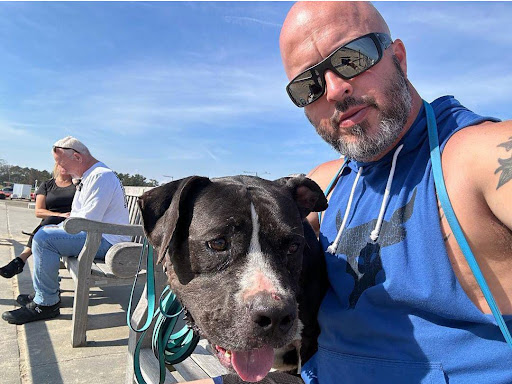
A seasoned puppy trainer who stays current with scientific literature may spot subtle behavior issues early on and prevent costly problems later. I’ve seen families save hundreds (if not thousands) in vet bills thanks to early intervention for resource guarding or sound phobias picked up during puppyhood classes.
What About Online Training?
Remote learning has grown rapidly in popularity. Online courses range from simple video modules ($50–$200 for a complete course) to live virtual coaching ($40–$100 per session) with experienced trainers.
The value here depends heavily on your goals and how much hands-on feedback your dog needs. Some owners thrive with video-based puppy training content and occasional Q&A access to a coach. Others find that nothing replaces real-time feedback on leash handling or timing during complex behaviors.
For families spread thin by work or parenting duties, online options can bridge gaps until in-person help becomes feasible again.
Breaking Down Common Dog Training Costs
Let’s put some real-world numbers together for context:
| Training Format | Typical Price Range | What’s Included | |----------------------------|-------------------------------|---------------------------------------------------------| | Group Puppy Class | $100–$300 (6 weeks) | Weekly classes (1 hr), small group size | | One To One Dog Trainer | $60–$200/hour | Private sessions at home or facility | | Board-and-Train | $1,000–$4,000 (2–4 weeks) | All-day care plus daily intensive training | | Online Course/Virtual | $50–$200 (course) / $40–$100/session | Self-paced videos or live coaching | | Specialty Behavior Consult | $100–$300 (initial session) | Aggression/anxiety assessment + custom plan |
These are median figures based on US metro areas as of 2024; local rates may vary by 20–40 percent either way.
Trade-Offs: Value Beyond the Price Tag
Choosing a trainer isn’t just about finding the lowest fee. Value comes from effective results and ongoing support that suit your circumstances.
Group classes offer camaraderie and controlled socialization for puppies but can be overwhelming for shy dogs or those with special needs. Private lessons give essential puppy training tips focused attention but cost more per minute of instruction.
Some families try DIY approaches first - books, online videos - to save money but later invest in professional help when problems persist or escalate.
A key question: does your chosen approach fit your learning style? Some owners want detailed written homework; others prefer demonstration and immediate feedback. Matching your expectations to what a trainer offers improves satisfaction (and outcomes) regardless of cost.
When Does Paying More Make Sense?
There are times when it pays off to stretch your budget for dog training:
If your dog shows aggressive behaviors toward family members or strangers, cutting corners can risk safety. Specialized trainers with advanced skills and insurance deserve their higher rates here.
Multi-dog households facing tension or competition need nuanced advice that generic classes can’t provide.
Busy professionals sometimes opt for board-and-train despite the high upfront expense simply because it buys time they don’t have during critical puppyhood weeks.
On the other hand, confident owners who enjoy practicing homework between sessions often get excellent value from well-run group classes or hybrid models (one private lesson plus several group meetings).
Typical Extra Expenses
Training fees rarely tell the whole story. Factor in these common add-ons:
Travel surcharges for home visits outside a trainer’s core area can add $10–$50 per session.
Equipment like harnesses or long lines (often recommended during training) may cost another $20–$80 up front.
Some trainers offer video reviews of your practice sessions at additional cost.
If you join a group class with required vaccinations (like bordetella), budget for those vet visits too.
How to Evaluate What You’re Getting
It helps to ask potential trainers direct questions:
What approaches do they use? Are they certified? How much experience do they have with your dog’s breed or issue? What happens if your schedule changes? Do they provide written plans or follow-up support between lessons?
Watch for red flags: vague promises (“I guarantee results in two sessions”), punitive methods without explanation of risks, or reluctance to answer questions about techniques used.
A good trainer welcomes questions and helps you gauge whether their services match your needs - not just your budget.
A Real-Life Example: Comparing Two Puppy Training Paths
Consider two families adopting eight-week-old Labradoodle puppies in suburban neighborhoods.
Family A chooses a six-week group puppy training class costing $180 total. They attend every week as a family, practice daily at home using handouts provided by the instructor, and quickly see progress with housetraining and polite greetings.
Family B hires a private puppy trainer for three weekly home visits at $120 each ($360 total). Their work schedules make group classes impossible; their trainer helps them set up routines tailored to shift work hours and a toddler in the house. Their puppy masters crate training quickly thanks to custom strategies for minimizing nighttime disruption.
Both families spend different amounts but find value suited to their priorities - socialization opportunities versus individualized convenience.
Ways to Stretch Your Budget
For those watching expenses closely, here are five practical strategies:
Start with group classes for foundation skills before investing in private lessons for lingering challenges. Ask about multi-session packages; many trainers offer discounts when booking several lessons upfront. Supplement hands-on sessions with reputable online courses for extra practice between meetings. Seek out local rescues or community centers - some offer subsidized puppy training for new adopters. Practice consistently at home; most progress happens outside formal lessons if owners commit to daily routines.Remember that investing time can sometimes compensate for limited funds; consistency matters more than fancy equipment or frequent appointments.
Why Transparency Matters
Ultimately, understanding dog training cost isn’t just about picking a number - it’s about aligning services with your goals and resources.
A clear conversation about pricing helps set expectations for both sides. Reputable trainers will outline not only session fees but also cancellation policies, expected timelines for progress, and any recommended follow-up work outside lessons.
By looking beyond sticker shock to evaluate what’s included - expertise, format, ongoing support - you can make choices rooted in confidence rather than confusion.
Final Thoughts
Dog training is part education, part relationship-building. The right investment pays dividends not just in fewer chewed shoes or calmer walks but in trust between human and canine partner.
Whether you opt for a seasoned one to one dog trainer or sign up for a lively puppy socialization class, clarity about what shapes costs gives you power as a consumer and peace of mind as a pet parent.
The best question isn’t always “How much does it cost?” but rather “What value will this bring my family?” When those align, everyone wins - including your four-legged friend.
K9 Functional Training 1625 Dearborn Dr Virginia Beach, VA 23451 (757) 925-8885 VX3J+M3 Virginia Beach, Virginia